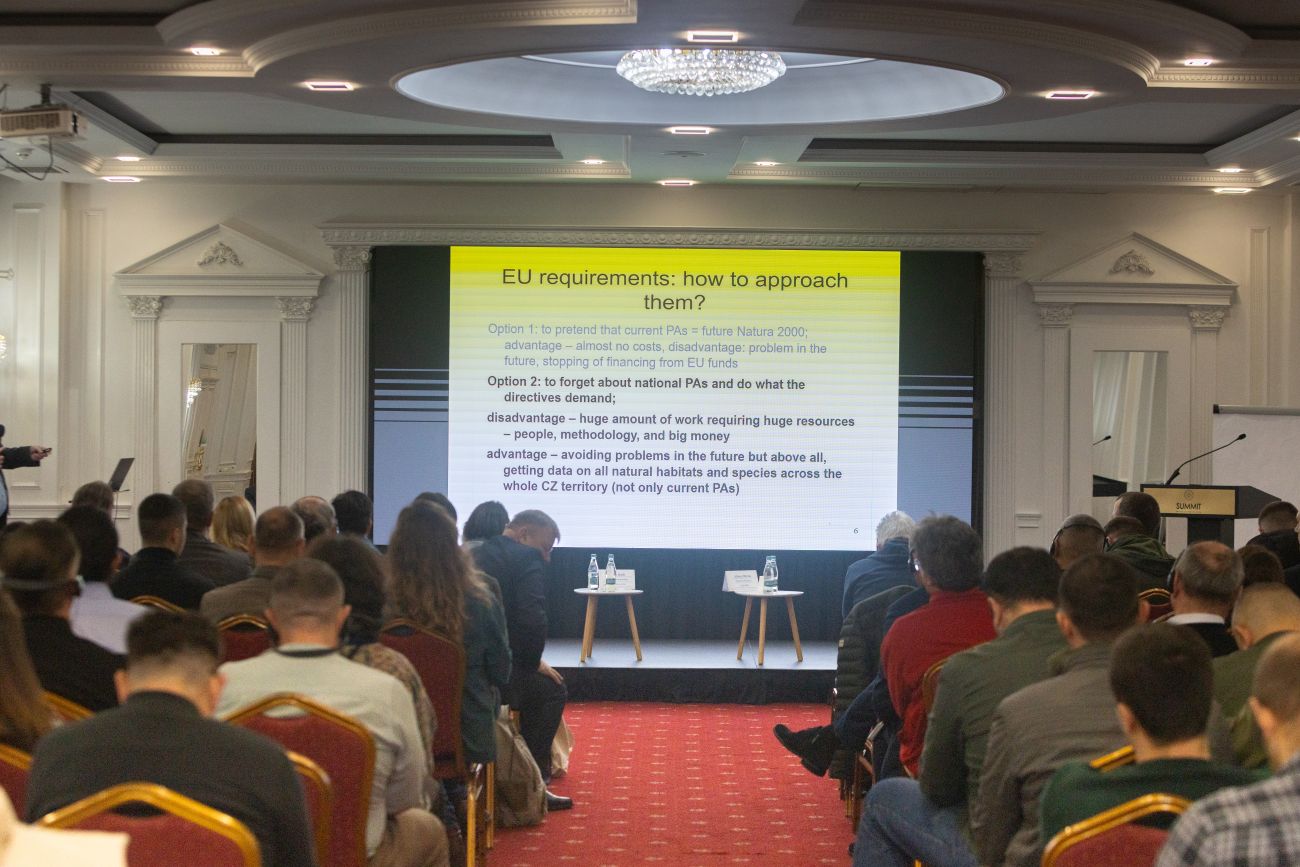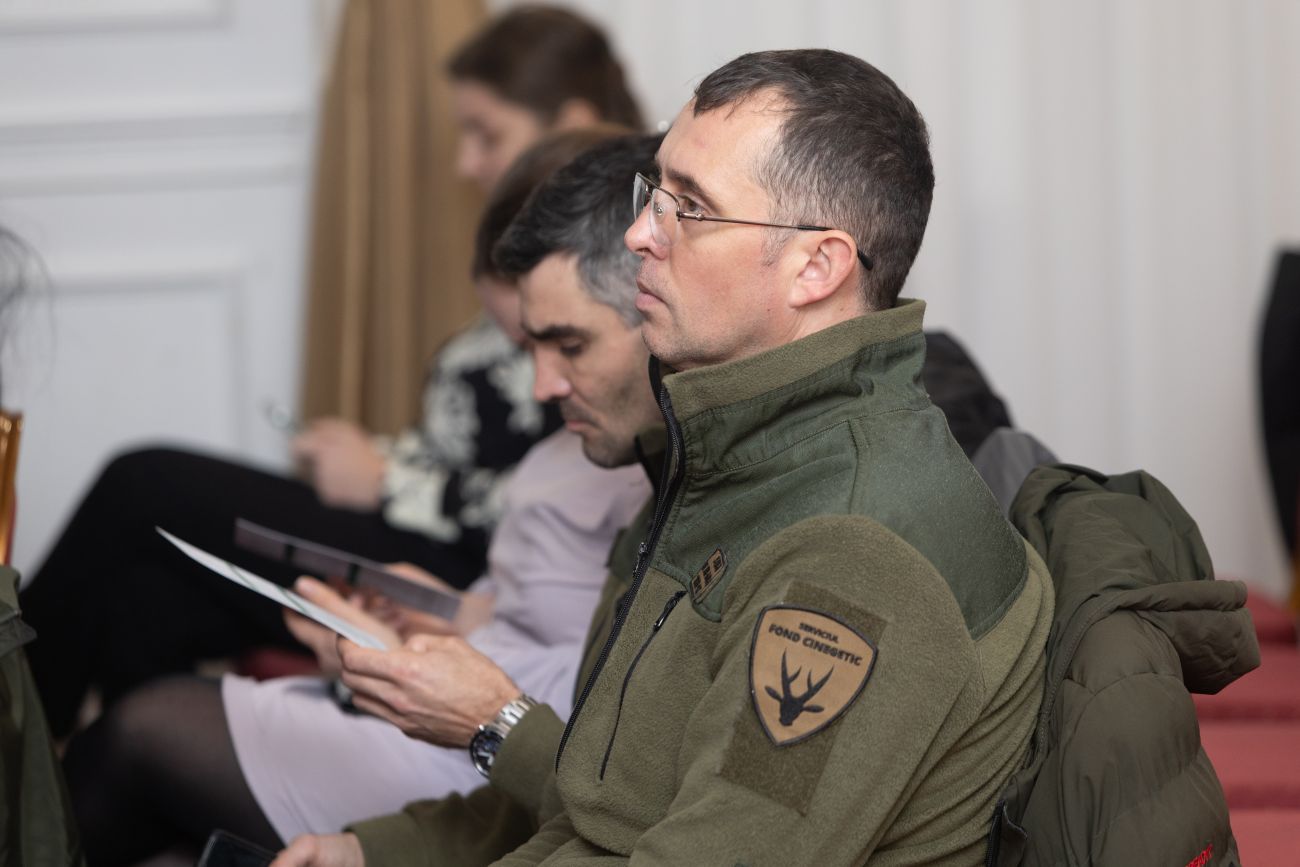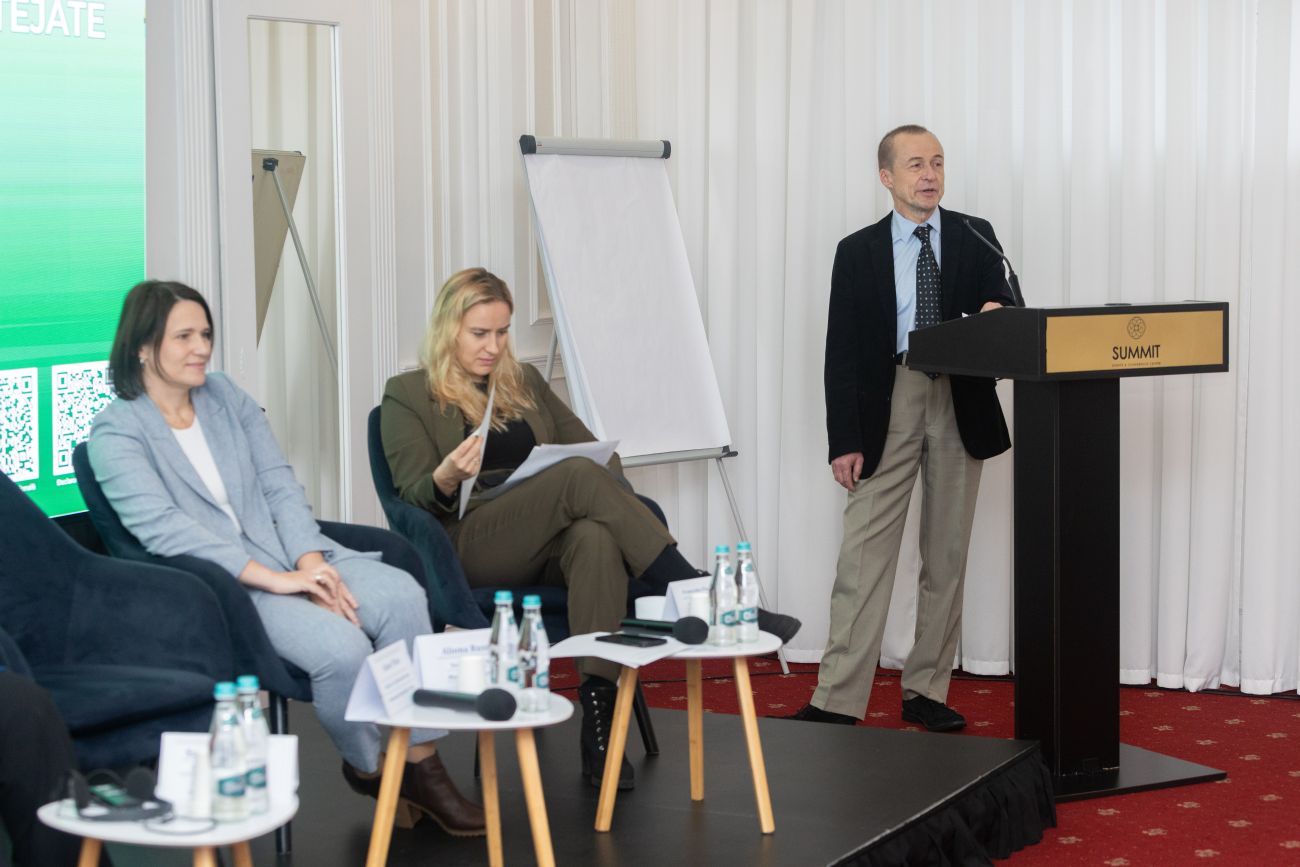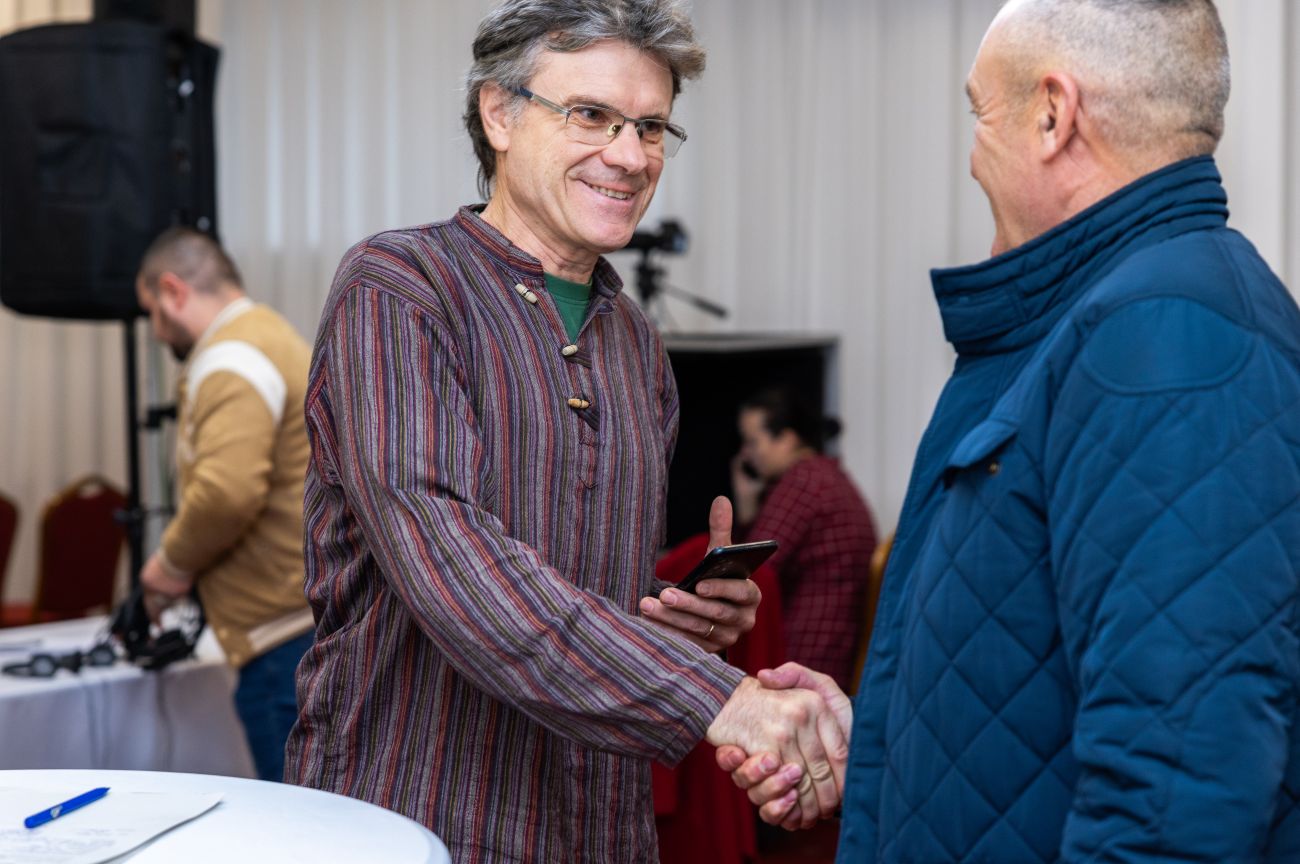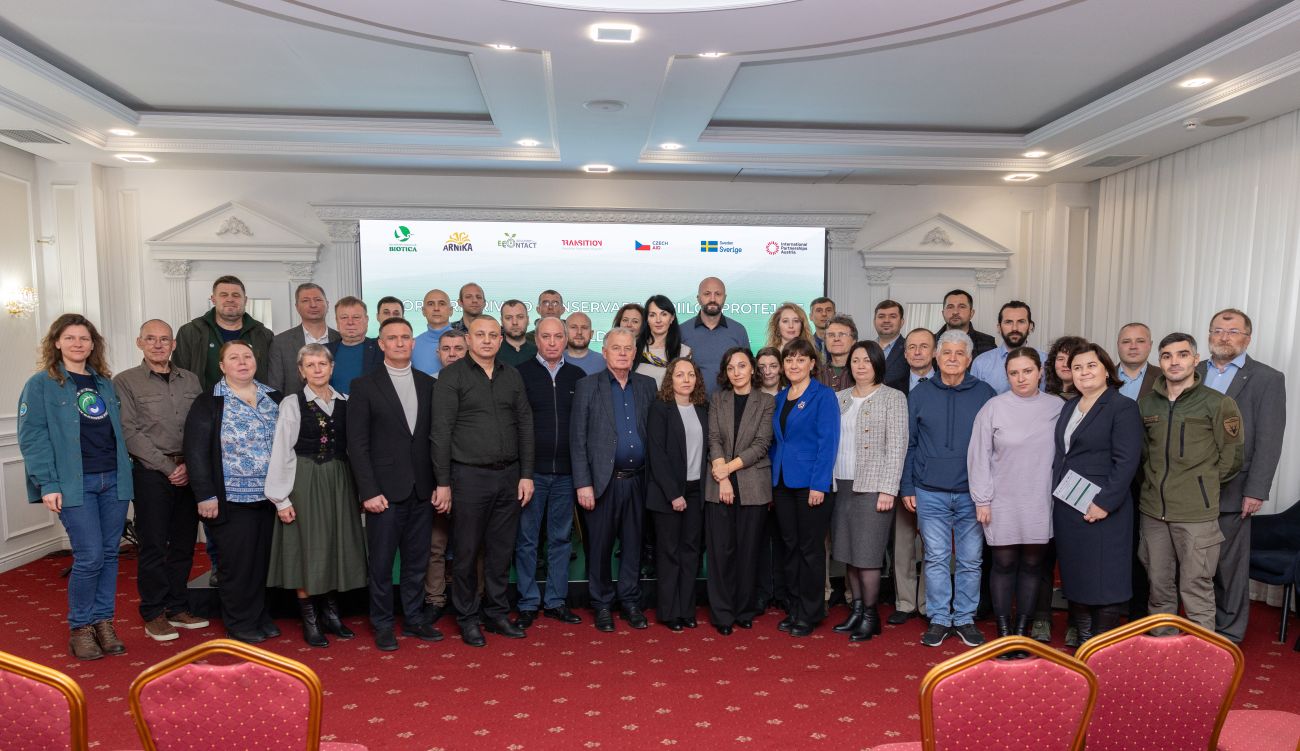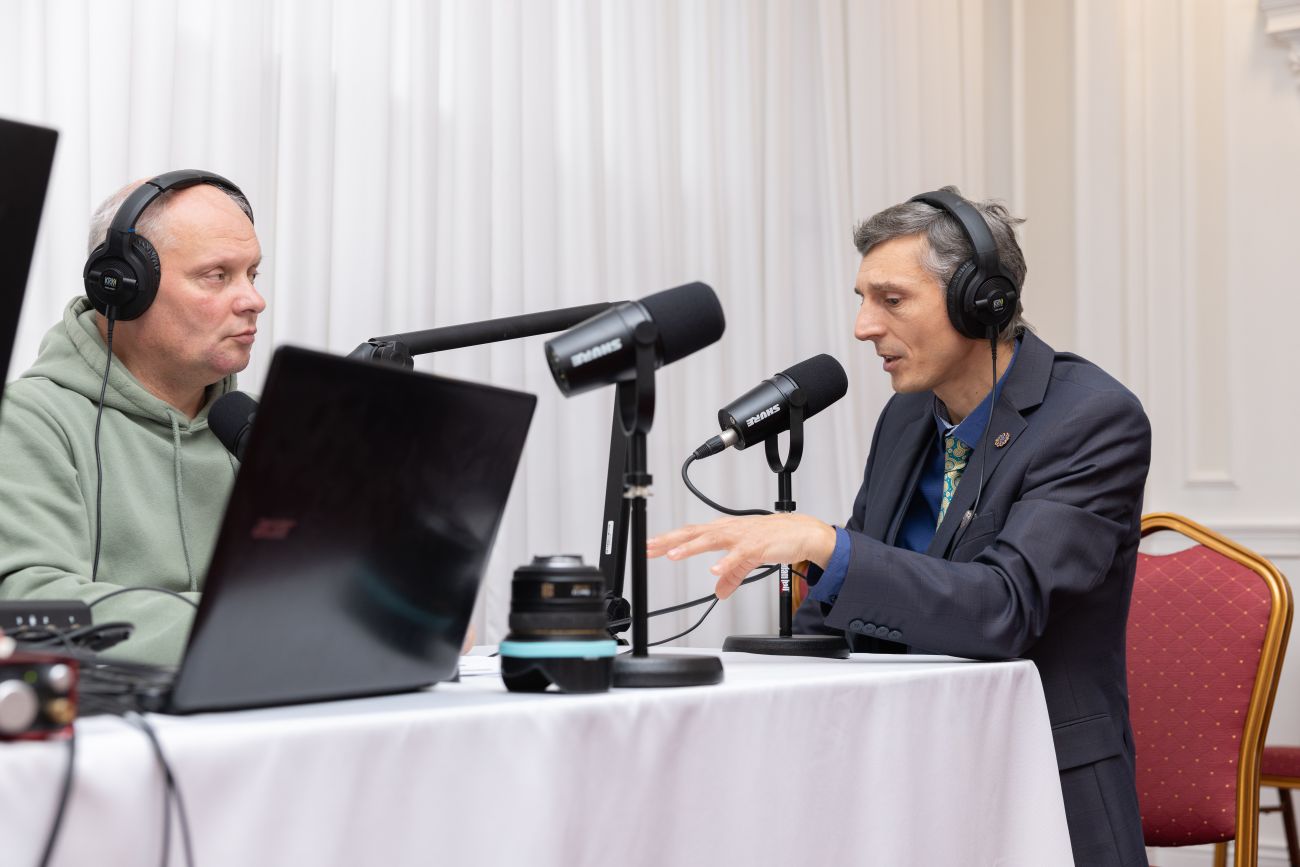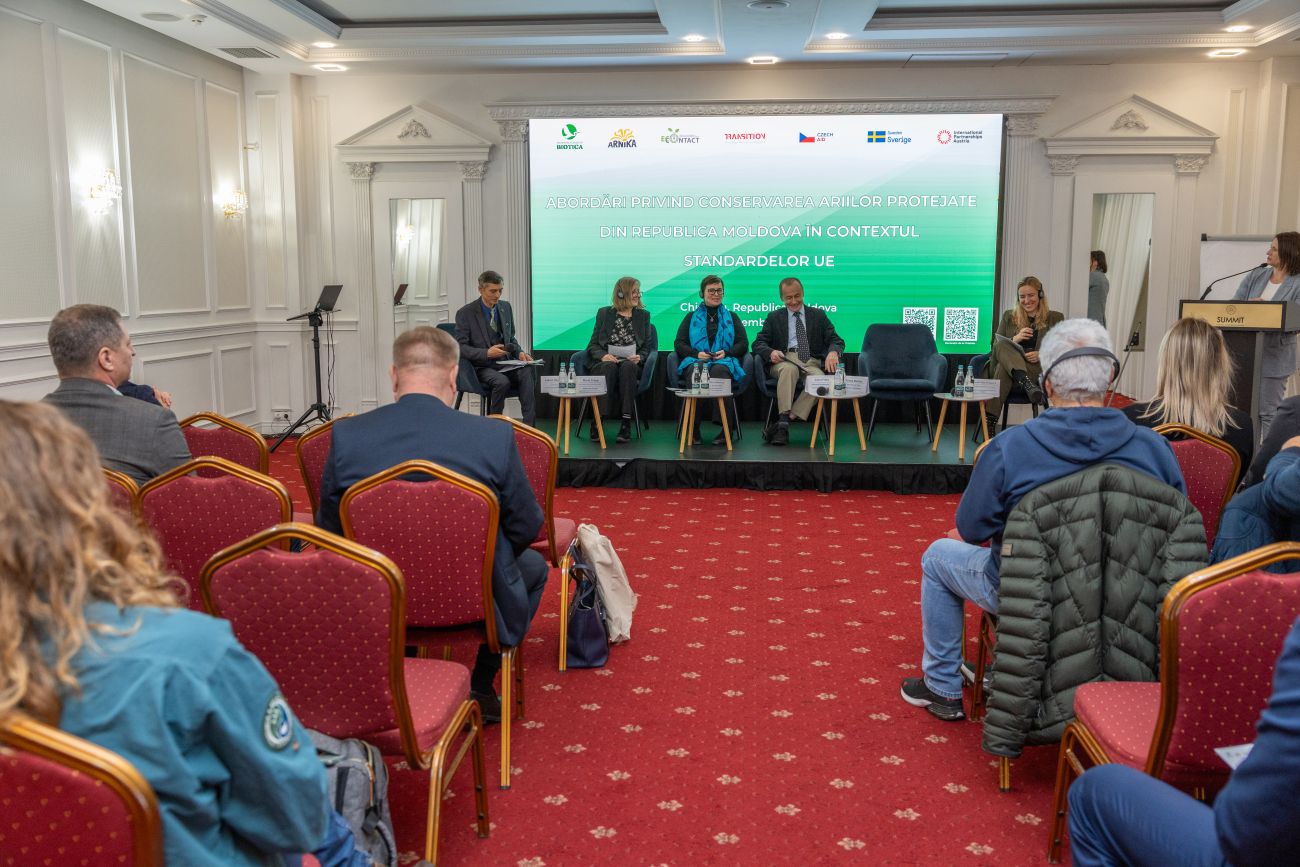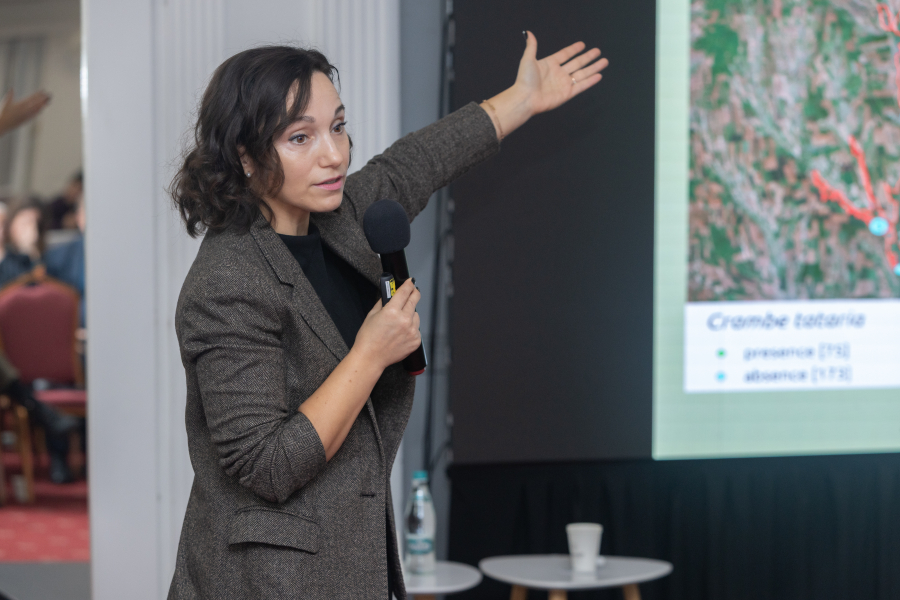
Government representatives, European partners, international organisations and conservation specialists gathered in Chisinau for the international conference “Approaches to Conservation of Protected Sites in Moldova with Regard to EU Standards: Sharing Experiences among European Partners”. The event, organised by the Czech NGO Arnika together with Moldovan partners Biotica and EcoContact, with support from the Transition Promotion Programme, the Austrian Development Agency and the Swedish International Development Cooperation Agency, highlighted that Moldova’s progress towards EU membership is becoming increasingly visible in the field of environmental protection.
The conference opened with remarks from the Ministry of Environment and representatives of the Czech Embassy, ADA, SIDA and the EU Delegation to Moldova. They stressed that the transformation of Moldova’s protected areas will play a decisive role in the country’s green transition. Speakers highlighted both political momentum and practical needs, noting that many institutions, local authorities and communities will have to work together to ensure that protected areas are not only designated on paper but effectively safeguarded. Participants were also invited to comment on a draft Final Declaration, contributing directly to a common framework that will guide Moldova’s conservation agenda in the coming years. Throughout the day, the discussions underscored that aligning the country’s system of protected areas with European standards is not only a legal requirement, but also an opportunity to deliver healthier ecosystems and stronger resilience for local communities.
One of the main elements capturing media and expert interest was the exchange of international experience. Specialists from Moldova, Czechia, Romania and Germany presented how their respective systems for site protection evolved, what challenges they faced and which solutions proved effective when implementing Natura 2000 network. Czech experts shared insights from the long-term development of the network and offered recommendations relevant for Moldova’s transition from the Emerald Network. Presentations covered methodological approaches to flora mapping, examples of governance structures and lessons learned from past difficulties in balancing conservation objectives with land-use pressures.
The discussion then shifted toward the policy and legal foundations needed to support long-term conservation efforts. The Ministry of Environment outlined progress in fulfilling international environmental commitments which is expected to strengthen the national legislative framework. Several speakers underlined that well-functioning protected areas require coherent strategies, stable institutions and clear roles across all levels of governance. The panel suggested that without the active involvement of municipalities and landowners, even the best policies risk remaining theoretical.
The final part of the conference focused on species conservation and on the people who turn policy into practice: ranger services, community groups and volunteers. Experts presented the new edition of the Red Book of the Republic of Moldova, which updates the categories of threatened species and provides an important scientific basis for future conservation actions. European rangers offered insights into their mandates, training systems and legal status, while Moldovan rangers shared the constraints they face in the field and the types of support needed to ensure effective enforcement. Several examples of practical conservation work, including habitat restoration, tree planting and protection of water resources, demonstrated how much progress can be achieved when local communities are fully engaged. The concluding discussion stressed that these community-driven initiatives are often the first to register visible results and that stronger institutional backing could significantly amplify their impact.
At the end of the conference, participants amended and adopted the Chisinau Declaration. Document summarising shared commitments and outlining steps to accelerate Moldova’s alignment with EU environmental standards, improve the management of protected areas, strengthen the role of local communities and support the institutions responsible for conservation. For Arnika and its Moldovan partners, the event marks an important milestone, offering not only a platform for technical exchange but also a moment of political coordination. As Moldova advances on its EU accession path, the message from the conference was clear: international support, scientific expertise and local engagement will be equally essential to ensure that the country’s most valuable natural areas are protected in a way that is both effective and lasting.
Also see event details here: Approaches to Conservation of Protected Sites in Moldova with Regard to EU Standards