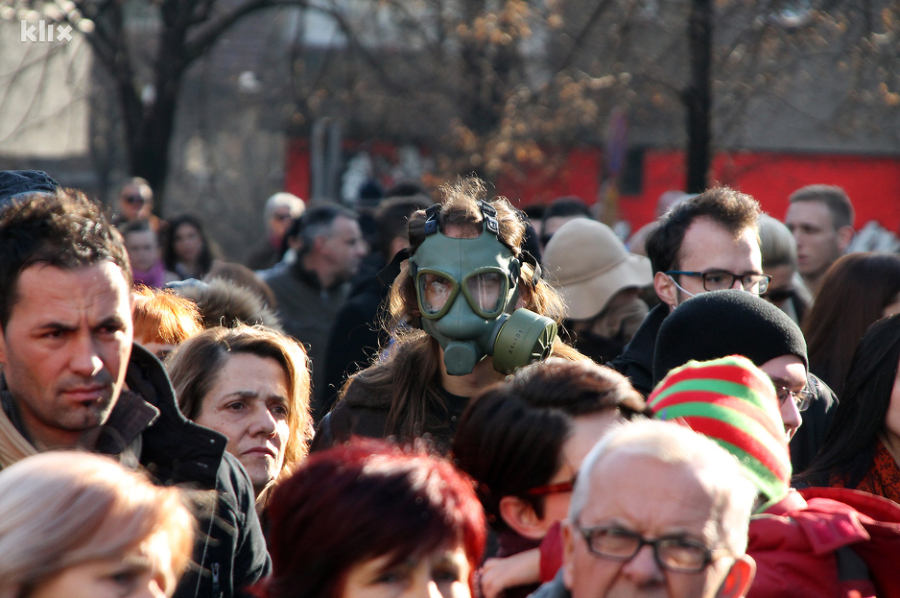
Environmental defenders across Europe, South Caucasus and Central Asia are increasingly facing legal pressure, intimidation and attemptsto restrict their work. Non-governmental organisations warn about a steady rise in SLAPP lawsuits (1), defamation cases, claims for compensation for alleged damagesand other tactics intended to discourage public scrutiny of industrial, mining and development projects with a negative impact on environment. Civic oversight is becoming more difficult, especially for those who challenge powerful economic or political interests.
When Hajrija Čobo from the Bosnian town of Kakanj opened her mailbox in December 2023, she found herself in court. Adriatic Metals sued her for alleged defamation; this was allegedly done when Čobo pointed out the illegal construction of a concrete plant. (2) Sunčica Kovačević and Sara Tuševljak faced several legal actions after campaigning against small hydropower plants on the Kasindolska river in Bosnia and Herzegovina. (3) Similar pressure appeared in Croatia, where the state forestry company brought a lawsuit against the organisation Green Squad and its lead author Vesna Grgić for publishing information about unlawful logging. (4)
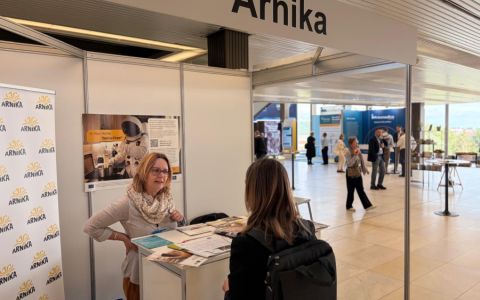
“These cases are just the tip of the iceberg. They illustrate only part of what environmental defenders are experiencing today. The need for protection has never been more evident,” says Martin Skalský from Arnika, an NGO based in Czechia. His organisation, together with the Belarusian group Ecohome, documents cases of persecution on the monitoring platform stoppersecution.org. “As the triple planetary crisis worsens and the struggle for minerals intensifies, attacks on defenders of environmental justice and local communities that depend on nature's riches are also increasing,” Skalský adds.
Comparable tactics are increasingly present in European Union member states. In Czechia 83 participants of a peaceful blockade at a coal mine have been defending themselves in court against a claim for damages that has continued since 2018. In the United Kingdom, several members of the climate group Just Stop Oil received prison sentences of four to five years for entirely peaceful protest actions. Legislation counter terrorism has been used against climate groups in Germany, France and Italy, which raises concerns about the shrinking space for civic action even in democracies with long standing traditions of public participation.
After 2012 and inspired by an example of Russian Federation, other 7 countries have adopted a repressive “foreign agent” laws legislation to control and dismantle independent media and non-governmental organisations. Belarus pushed all independent civil society organizations underground or into exile in 2021-2022. More recently, Georgia adopted a law that labels organisations and media outlets receiving over a 20 % of their funding from abroad as actors serving external interests. The law has been followed by administrative pressure, inspections and smear campaigns. Some Georgian organisations have already been forced to close or significantly reduce their work. A similar shift is occurring in Slovakia, where the government has launched open attacks on environmental institutions based on the legislation inspired by the “foreign agents” restrictive model introduced earlier in Hungary.
Many cases of persecution are linked to the extraction of critical raw materials. In Serbia, civil society faced death threats, violence, arbitrary detention, and digital surveillance for opposing the Rio Tinto lithium project in the Jadar Valley — home to Europe’s largest lithium deposit, central to the EU’s Green Deal goals. (5)
Armenian mining regions Amulsar and Syunik were a place for harassment and police detentions during peaceful protests as well as coordinated smear campaigns. Meanwhile the Zangezur Copper-Molybdenum Combine filed legal threats against activists including Oleg Dulgaryan after he raised concerns about pollution and human rights violations. Comparable actions are visible in Georgia, where residents of Chiatura region faced threats, detentions and lawsuits after protesting against damage to their houses due to illegal undermining of the villages. (6) Residents of Bolsini and Mushevani regions of Georgia became victims of surveillance and retaliation after rising their concerns regards to a gold and copper extractions
Since 2022 defenders have had a new voice: Michel Forst was appointed as the first ever UN Special Rapporteur on the Protection of Environmental Defenders. He is the author of a groundbreaking opinion that peaceful protest is a fundamental right under international law and that states have an obligation to safeguard those who engage in it. He has expressed concern over disproportionate penalties and the increasingly frequent use of restrictive laws against individuals who raise environmental concerns, practices that he warns are incompatible with democratic principles. At the current Meeting of the Parties to the Aarhus Convention, governments will decide on the extension of his mandate.
Statements of the experts from non-governmental organisations on the situation in specific countries – parties to the Aarhus Convention:
Bosnia and Herzegovina:
“Following the trends of various attacks on environmental activists, in Bosnia and Herzegovina, already well-known practices in the world have emerged, the filing of SLAPP lawsuits against environmental activists and journalists. The consequence of granting concessions for the construction of small hydropower plants and the mining of critical mineral resources has awakened local communities. Environmental activists have become the target of foreign companies that, by filing these lawsuits, are trying to silence the voice of citizens. Local communities are united on this issue: YOU WILL NOT DIG!!!” - Ratko Pilipović, lawyer, Center for Environment, Banja Luka
Notes
- SLAPP lawsuits:
SLAPPs (Strategic Lawsuits Against Public Participation) are legal actions filed with the primary aim of silencing critics, draining their resources, or discouraging them from speaking out. They often rely on defamation claims or exaggerated financial damages. Their purpose is not to win on the merits, but to intimidate and prevent individuals or organisations from engaging in public interest advocacy.
- Harija Čobo – Bosnia and Herzegovina:
https://stop-persecution.org/hajrija-cobo-targeted-for-speaking-out-about-the-impacts-of-mining-in-bosnia-and-herzegovina
- Sunčica Kovačević and Sara Tuševljak – Bosnia and Herzegovina:
https://www.stop-persecution.org/the-rich-investor-using-a-slapp-lawsuit-to-silence-two-young-bosnian-activists
- Green Squad and Vesna Grgić – Croatia:
https://stop-persecution.org/state-forest-company-initiates-slapp-against-croatian-environmental-activist
- Serbia: “A Digital Prison”:
https://www.amnesty.org/en/documents/eur70/8813/2024/en/
- Situation in Georgia and impacts of the foreign agents law:
https://arnika.org/en/news/arnika-warns-the-situation-in-georgia-is-deteriorating-dramatically-environmental-defenders-are-on-the-front-lines