Nigeria, situated on the Gulf of Guinea on the west coast of Africa, is the continent’s most populous nation with 242 million inhabitants. Along with Ghana, it is one of two countries in the region experiencing a significant influx of imported electronic waste.
For instance, the Person in the Port (PiP) project assessed the importation of used electrical and electronic equipment into Nigeria through the ports of Lagos between 2015 and 2016. The study revealed that approximately 60,000 tonnes are imported annually, with around 69% arriving inside second-hand vehicles (RoRo). It is estimated that more than 15% of this volume consists of non-functional electronic waste.
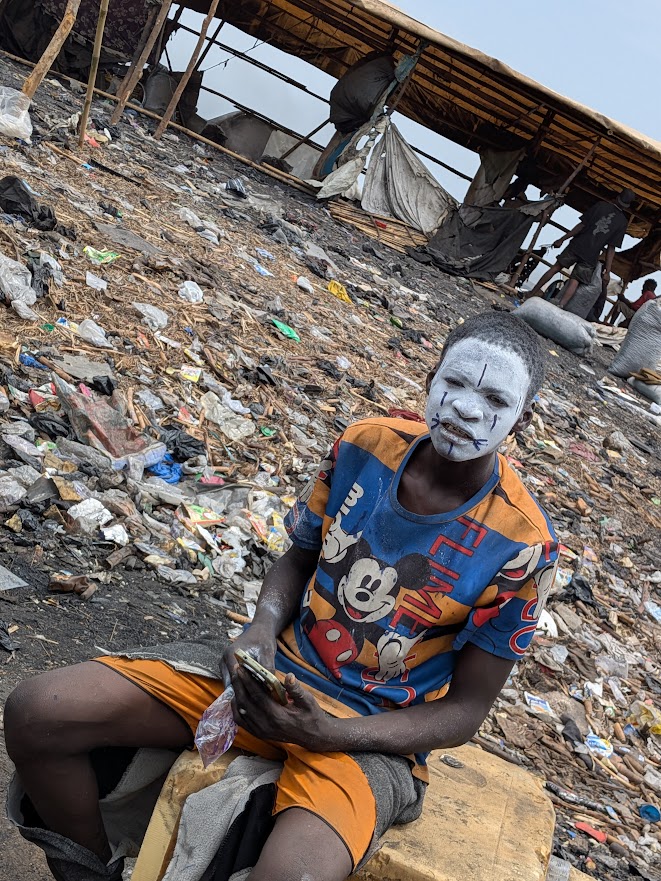
Some of these non-functional devices end up at Alaba Market in Lagos. A landfill has emerged in its vicinity, where valuable metals are extracted from plastic e-waste through open burning. This practice is a major source of pollution, releasing heavy metals and persistent organic pollutants (POPs), such as dioxins and brominated flame retardants.
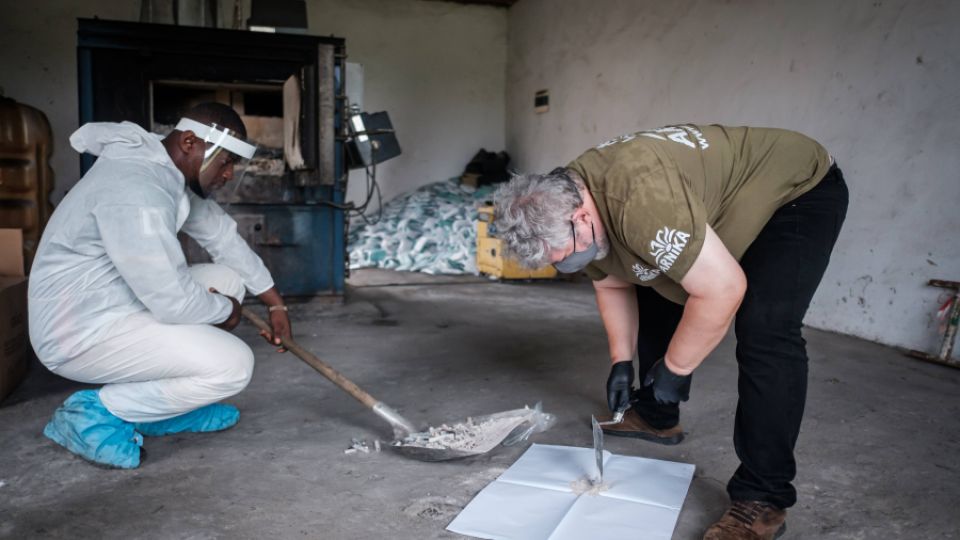
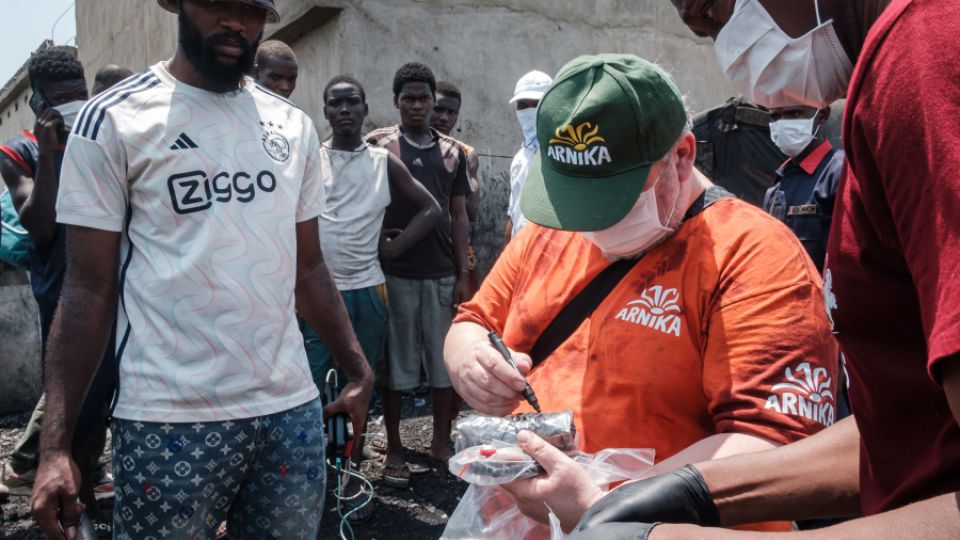
Arnika is collaborating with Nigerian NGOs and scientists to collect samples from several hotspots to determine the extent of food chain contamination by toxic POPs. Furthermore, in partnership with SRADeV, we previously obtained samples of plastic products manufactured from recycled e-waste in Nigeria and had them analysed for toxic substances. The results, which contributed to global studies, were alarming.